

 COlA tỷ số
Link trực tiếp xem bóng đá 1
xem ngayLink trực tiếp xem bóng đá 2
xem ngayThông tin travelersrestfest.com
Xem bóng đá trực tuyến tại Xoilac TV đem lại cho người hâm mộ những trải nghiệm chất lượng về dịch vụ và đa dạng hoá các giải đấu bóng đá cập nhật. Trang web này hiện nay đang xây dựng định hướng trở thành địa chỉ để người hâm mộ xem bóng đá chất lượng hàng đầu Việt Nam.
Vậy Xoilac TV có gì hấp dẫn người hâm mộ đến vậy, hãy cùng chúng tôi tìm hiểu về trang web Xoilac TV trực tiếp bóng đá qua những thông tin bài viết dưới đây.
Xoilac TV - Kênh trực tiếp bóng đá hôm nay Xôi Lạc TV hàng đầu Việt Nam

Chuyên trang cung cấp hàng loạt các trận đấu bóng đá, thể thao trên thế giới đến với người xem nhanh chóng và miễn phí
Xoilac TV trực tiếp bóng đá mới ra mắt vào những năm gần đây, tuy nhiên sức hút của trang web này đã lan rộng trên khắp Việt Nam và trở thành thương hiệu được người hâm mộ bóng đá quan tâm. Đây là một chuyên trang cung cấp hàng loạt các trận đấu bóng đá, thể thao trên thế giới đến với người xem nhanh chóng và miễn phí.
Với đầy đủ các yếu tố của một trang web uy tín và chất lượng như hình ảnh của trận đấu sắc nét, âm thanh hài hoà có thể dễ dàng điều chỉnh, người xem sẽ tận hưởng từng khoảnh khắc thú vị và hấp dẫn của trận đấu.
Bất kể bạn đang ở bất cứ đâu, chỉ cần truy cập vào trang web Xoilac TV trực tiếp bóng đá là có thể xem tất cả các trận đấu bóng đá đỉnh cao đến từ khắp các châu lục trên thế giới. Cùng theo dõi thành tích của các đội bóng và cầu thủ mình yêu thích tại xoilac truc tiep bong da hom nay dễ dàng.
Bảng tổng kết thông tin kênh xôi lạc:
| ✅ Bóng đá xoilac đinh cao | Trực tiếp những trận đấu siêu kinh điển |
| ✅ Xoilac tv có người xem ổn định | Lượng người xem trực tiếp tại xôi lạc rất nhiều từ mọi lứa tuổi |
| ✅ Xôi lạc TV phát nhiều trận đấu | Hầu như mọi trận đấu bóng đá đều được phát tại đây. |
| ✅ Xoi lac tv có bình luận viên tiếng Việt | Những bình luận viên chuyên nghiệp giúp người xem thư giãn hơn. |
| ✅ Xôi lạc có kết quả bóng đá trực tiếp | Luôn có bảng kết quả trực tiếp cho mỗi trận đấu, giúp xem dễ dàng hơn |
Bên cạnh dịch vụ xem bóng đá trực tiếp, xoilac cũng mang tới cho người hâm mộ thêm những tin tức về bóng đá, về trận đấu hay dự đoán và phân tích trước và sau khi trận đấu diễn ra. Bạn sẽ có được thêm nhiều thông tin bổ ích về bóng đá và kinh nghiệm nhận định bóng đá hiệu quả để có cái nhìn khách quan hơn về trận đấu.
Bên cạnh đó, tại kênh cũng hỗ trợ người xem cập nhật các thông tin về lịch thi đấu, kết quả trận đấu và bảng xếp hạng để nắm được thông tin của đội bóng mình yêu thích và không bỏ lỡ những giải đấu thú vị. XoilacTV trực tiếp bóng đá đã trở thành điểm hẹn của nhiều người yêu thể thao tại nhiều các khu vực khác nhau.
Với sự chất lượng từ tổng quan các yếu tố về hình ảnh, âm thanh và độ tiện ích mà trang web mang lại, đây xứng đáng là một địa chỉ đang để người hâm mộ theo dõi và nắm bắt thông tin về bóng đá.
Lý do kênh xem bong da Xoilac TV được thành lập

Kênh trực tiếp bóng đá hôm nay Xôi Lạc TV đáp ứng được đầy đủ các yếu tố về phát sóng và chi phí cho người hâm mộ
Có thể thấy, hiện nay tại Việt Nam, số lượng những người xem có sở thích xem bóng đá trực tiếp tăng lên đông đảo. Đặc biệt, sau thời gian bóng đá Việt Nam ngày càng phát triển và ghi được nhiều thành tích, số lượng người xem bóng đá trực tuyến và tham gia ủng hộ ngày càng tăng lên. Bên cạnh đó, những người hâm mộ yêu thích xem bong da truc tiep trên thế giới cũng gia tăng không giới hạn. Do đó, họ luôn mong muốn được tìm kiếm những địa chỉ cung cấp các trận đấu xem bóng đá trực tuyến được dễ dàng và không mất nhiều thời gian để truy cập.
Hiện nay, trên thị trường có rất nhiều trang web cung cấp các trận đấu bóng đá trực tuyến. Tuy nhiên, một số các trang web này lại yêu cầu người dùng phải trả phí dịch vụ khi truy cập. Thực tế, không ít khán giả cũng đã sử dụng một số tiền lớn để mua gói cước và xem bóng đá. Nhưng bên cạnh đó, vẫn có một số những người hâm mộ không đủ chi trả các khoản phí đó, do đó họ muốn tìm kiếm một địa chỉ trực tuyến miễn phí để không bỏ lỡ bất kỳ trận đấu trực tiếp hấp dẫn nào. Ngoài ra, không phải bất cứ ai cũng có thời gian để ngồi trước màn hình và theo dõi các trận đấu được phát trên truyền hình vô tuyến. Hiểu được tâm lý đó của tất cả những người hâm mộ bóng đá, một số các trang web trực tuyến trên thị trường ra đời. Trong đó có kênh Xôi Lạc trực tiếp bóng đá hôm nay đáp ứng được đầy đủ các yếu tố về phát sóng và chi phí cho người hâm mộ.
Trang web này ra đời, cập nhật đầy đủ tất cả các giải đấu bóng đá lớn trong và ngoài nước để phát sóng bóng đá trực tuyến đến người hâm mộ miễn phí. Các bạn chỉ cần truy cập vào giao diện của trang web là sẽ thấy được danh mục một số các trận đấu phát sóng trực tiếp bóng đá Xôi Lạc ngày hôm nay và những ngày tiếp theo. Bên cạnh đó, bạn cũng tìm thấy ở kênh này những tin tức về bóng đá trong nước và trên thế giới. Tìm kiếm được bảng xếp hạng, kết quả thi đấu và lịch thi đấu của các đội bóng mà mình yêu thích.
Trang web Xoilac TV truc tiep bong da hom nay cũng xây dựng giao diện chất lượng, phù hợp với tất cả các đối tượng người dùng. Bên cạnh đó là đường truyền ổn định với hệ thống âm thanh chất lượng. Tạo nên một trải nghiệm toàn diện dành cho những người hâm mộ bóng đá.
Đó chính là những lý do và mục tiêu để trang web xem bong da truc tuyen Xoilac TV ra đời và phát triển đến tận bây giờ. Trong thời gian tới, chắc chắn trang web Xôi Lạc trực tiếp bóng đá hôm nay sẽ không ngừng nỗ lực để nâng cao và cải thiện hơn nữa chất lượng đường truyền, đa dạng hóa cách giải đấu bóng đá cập nhật và mang tới người hâm mộ.
Trực tiếp bóng đá Xoilac TV hiện nay đã trở thành trang web giải trí và tổng hợp thông tin bóng đá chất lượng đến với người hâm mộ. Kể từ khi ra đời đến nay, xem trực tiếp bóng đá Xoilac đã mang lại không ít những ưu điểm và thế mạnh nổi bật và vẫn tồn tại những hạn chế cần phải khắc phục.
Những thế mạnh của trang web xem bóng đá trực tuyến XoilacTV
Đầu tiên, cần phải kể đến những thế mạnh cũng như chất lượng các dịch vụ mà trang web xem bong da Xoilac TV mang lại cho người hâm mộ.
Người xem đã xem bóng đá trực tiếp trên Xoilac TV có đánh giá rằng, giao diện của trang web tương đối dễ sử dụng và có thiết kế đẹp mắt, hiện đại. Khi mới truy cập vào kênh, người xem trực tiếp bóng đá Xôi Lạc sẽ thấy được sự hài hòa trong màu sắc của giao diện, danh mục các tính năng dễ tìm kiếm, để lựa chọn trận đấu mình quan tâm.
Giao diện của kênh truc tiep bong da bong hom nay Xoi Lac TV cũng phù hợp và tương thích với hầu hết các thiết bị như máy tính, điện thoại,…Màu sắc chủ đạo của kênh phù hợp với nhãn quan của tất cả người dùng dù ở độ tuổi nào.
Bên cạnh đó, là yếu tố về hình ảnh được cắt ra từ trận đấu phát bóng đá trực tuyến cũng đảm bảo sự sắc nét, âm thanh trận đấu hài hòa, mang lại trải nghiệm tốt. Người xem cũng có thể tự điều chỉnh được chế độ màn hình và mức âm thanh tại trang web.
Truc tiep bong da Xoilac cung cấp nhiều tính năng hữu ích cho fan bóng đá

Đa dạng các chức năng tiện lợi tại Xôi Lạc TV
Lợi thế cạnh tranh của Xôi Lạc TV chính là mang lại những chức năng đa dạng về bóng đá và thể thao. Tại kênh, các chuyên mục người xem có thể tìm kiếm thấy như các trận đấu hot, các trận đấu bóng đá hôm nay hoặc diễn ra vào ngày mai. Anh em cũng có thể cập nhật kết quả của trận đấu hoặc lịch thi đấu của các đội bóng tham gia. Bên cạnh đó, luôn có những đường link nóng hổi để người xem trải nghiệm xem bóng đá trực tuyến hoặc xem lại bóng đá với những trận đấu bạn không thể xem trực tiếp.
Xoilac TV cung cấp link xem bong da truc tuyen hom nay chất lượng cao
Tại trang web XoilacTV bóng đá trực tiếp, người xem không chỉ thấy được sự đa dạng của các giải đấu bóng đá, mà còn được cập nhật hệ thống đường link đa dạng và đảm bảo chất lượng từ hình ảnh đến âm thanh. Đây là những đường link chất lượng, không chứa virus hay mã độc và phát sóng miễn phí đến người dùng. Trải nghiệm đầy đủ những tiện ích xem bóng đá trực tuyến với không gian giải trí chất lượng.
Xoilac TV phát trực tiếp bóng đá ở tất cả các giải đấu trên thế giới
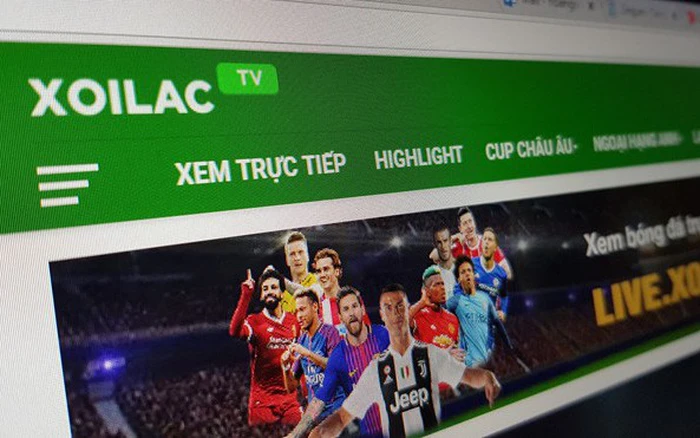
Xoilac TV cung cấp vô số các giải đấu bóng đá được đánh giá là khó mua bản quyền
Hiện nay, những giải bóng đá lớn trên thế giới thường thu hút số lượng người yêu thích đông đảo. Nhưng không phải ai cũng có cơ hội để xem bóng đá trực tuyến miễn phí và hoặc đến tận các sân vận động để xem trực tiếp. Do đó, Một lý do mà trang web xem bóng đá Xôi Lạc TV được người hâm mộ yêu thích bởi kênh cung cấp vô số các giải đấu bóng đá được đánh giá là khó mua bản quyền. Tất cả các giải đấu bóng đá lớn, nhỏ trên thế giới đều được Xôi Lạc TV cập nhật và phát trực tiếp miễn phí đến người hâm mộ. Bên cạnh đó, các giải đấu bóng đá nam, nữ trong nước cũng không thể bỏ qua tại xem bóng đá Xôi Lạc TV.
Người hâm hộ có thể theo dõi, tham gia xem trực tiếp bóng đá xoilac và cổ vũ cho những câu lạc bộ mà mình yêu thích, nắm thêm thông tin về các cầu thủ vang danh tên tuổi tại các giải đấu bóng đá lớn.
Thêm vào đó, quá trình xem bóng đá Xoilac TV trực tiếp của người hâm mộ sẽ không gặp phải những khó khăn về vấn đề bản quyền hay chi phí.
Tất cả các trận đấu thuộc vào các giải đấu bóng đá được phát trực tiếp tại kênh bong da truc tuyen và đảm bảo các yếu tố về đường truyền mượt mà, không bị giật lag. Kênh có đội ngũ bình luận viên đưa ra những thông tin, giúp cho trận đấu trở nên thú vị hơn.
Trực tiếp bóng đá Xoilac TV sở hữu đội ngũ BLV chuyên nghiệp, dày dặn kiến thức chuyên môn
Không phải ai cũng có thể hiểu hết diễn biến của một trận đấu bóng đá quốc tế diễn ra nếu như không có các bình luận viên. Họ là những người mang đến những kiến thức về trực tiếp bóng đá và những thông tin về các trận đấu bóng đá mà người hâm mộ theo dõi.
Xem bong da Xoilac có một đội ngũ bình luận viên đầy kinh nghiệm và kiến thức về bóng đá, sẵn sàng cung cấp cho người xem để hiểu thêm về bộ môn này. Tất cả các bình luận viên Xôi Lạc TV trực tiếp bóng đá hôm nay, đều là người đã làm việc lâu năm và có kinh nghiệm cũng như luôn có tâm với nghề. Những bình luận thú vị và vui vẻ của các bình luận viên sẽ giúp cho anh em giải tỏa những căng thẳng trong trận đấu khi xem trực tiếp bóng đá hôm nay tại Xoilac TV.
Ngoài ra bạn cũng có thể tương tác với các bình luận viên thông qua kênh chat nhanh để họ trả lời những thắc mắc trong trận đấu của bạn.
Xem bóng đá Xôi Lạc TV với đường truyền ổn định, xem bóng đá hôm nay không giật lag

Trang web nhận được rất nhiều sự đánh giá và khen ngợi từ phía người dùng
Những yếu tố mà kênh xem bong da Xoilac TV chú trọng như giao diện dễ sử dụng, hình ảnh rõ nét và âm thanh sống động. Tại xem bong da truc tiep Xoilac này còn có đường truyền ổn định và trang nâng cấp hệ thống để cung cấp các yếu tố hiện đại vào việc xây dựng đường truyền xem bóng đá trực tuyến.
Là một trang web nhận được rất nhiều sự đánh giá và khen ngợi từ phía người dùng, do đó xôi lạc trực tiếp bóng đá hôm nay hiện có số lượng người truy cập rất đông đảo, đặc biệt là vào các mùa giải bóng đá. Do đó, kênh luôn đảm bảo các yếu tố để tránh trường hợp trải nghiệm của người dùng bị giật lag hay gián đoạn.
Đội ngũ trang chủ của Xôi Lạc TV bóng đá áp dụng công nghệ hiện đại để nâng cấp hệ thống, đưa vào những trải nghiệm tốt nhất cho người xem. Bên cạnh đó còn cập nhật thêm nhiều những kênh phụ để người xem bong da truc tiep truy cập trong những trường hợp quá tải đường link chính và khi giải đấu bóng đá hấp dẫn khai màn.
Xem truc tiep bong da không chèn quảng cáo
Vấn đề lo ngại của một số các trang web xem bóng đá trực tuyến xoilac khác chính là chèn quá nhiều có quảng cáo gây ảnh hưởng đến trải nghiệm của người xem. Những quảng cáo này có thể che mất giao diện và che mất các tính năng trên màn hình khi xem bóng đá trực tuyến. Xôi Lạc trực tiếp bóng đá hiểu được điều đó, không chèn bất cứu quảng cáo nào vào quá trình xem bóng đá trực tuyến của người hâm mộ. Treo banner ở những vị trí phù hợp, không làm tiếp ảnh hưởng đến trải nghiệm của người dùng.
Những vấn đề mà Xôi Lạc trực tiếp bóng đá hôm nay cần khắc phục

Kênh xem bóng đá Xoilac TV cung cấp thêm cho người xem nhiều những đường link dự phòng
Bên cạnh đa số những ưu điểm nổi bật và chất lượng không phải trang web nào cũng có thể sánh bằng. Kênh xem trực tiếp bóng đá hôm nay Xôi Lạc TV vẫn có một số yếu tố cần phải khắc phục để đảm bảo trách nhiệm của người dùng như:
-
Là trang web cung cấp các đường link bóng đá trực tiếp, không thông qua trung gian, do đó, đôi khi bạn có thể bị điều hướng sang một trang khác. Kênh xem bóng đá trực tiếp Xôi Lạc TV khắc phục tình trạng này bằng cách cung cấp thêm cho người xem nhiều những đường link dự phòng trong những trường hợp không mong muốn.
-
Với mỗi mùa giải đấu bóng đá được tổ chức, hệ thống xem bóng đá trực tiếp hôm nay Xoilac TV thường bị quá tải vì đường chuyền chính. Do đó, trang web này cung cấp một số các kênh phụ thế người xem một phân bổ truy cập đảm bảo truyền tải quá trình xem bóng đá trực tuyến tốt nhất.
Lợi ích không thể bỏ qua của kênh truc tiep bong da Xoi Lac hom nay

Lợi ích không thể bỏ qua của Xoilac TV
Không chỉ trang web Xoilac TV mang đến cho người hâm mộ nhiều lợi ích, mà quá trình xem bóng đá trực tuyến Xôi Lạc tại trang web này cũng để lại cho người hâm mộ nhiều những lợi ích. Dưới đây là một cuộc thảo luận chi tiết về những lợi ích mà quá trình xem bóng đá trực tuyến Xoilac TV mang lại cho người hâm mộ:
-
Đem lại sự linh hoạt và tiện lợi: Khi bạn lựa chọn xem Xoilac truc tiep bong da, anh em sẽ thấy được sự tiện lợi trong việc cung cấp những thông tin và tin tức bóng đá. Chỉ cần truy cập vào giao diện của trang web là đã thấy được tất cả các danh mục kỹ năng mà trang web cung cấp như theo dõi các trận đấu bóng đá trực tiếp trên giao diện hôm nay và ngày mai. Theo dõi được lịch thi đấu của các đội bóng, cập nhật kết quả thi đấu và bảng xếp hạng. Ngoài ra, bạn sử dụng app Xoilac TV để xem bóng đá ở bất cứ đâu và vào bất cứ thời gian nào chỉ cần có kết nối internet. Điều này đang góp phần mang đến sự tiện lợi cho quá trình xem bóng đá trực tuyến, không gặp nhiều khó khăn về vấn đề chi phí hoặc đường truyền kết nối.
-
Đem lại sự đa dạng về nội dung: Trang web xem bóng đá Xoilac không chỉ cung cấp những nội dung về bóng đá và trực tiếp bóng đá hôm nay, tại đây còn có nhiều các nội dung khác để mang tới cho người xem trải nghiệm hấp dẫn và thú vị như các tin tức thể thao, phân tích cho tiết trận đấu và rất nhiều các nội dung liên quan. Người hâm mộ sẽ có được đa dạng nguồn tin tức từ nhiều phía chứ không cố định một nguồn tin tức nào đó. Do đó, nếu bạn muốn tận hưởng một thế giới giải trí đa dạng với nhiều nguồn lựa chọn thông tin thì có thể sử dụng xem trực tiếp bóng đá xôi lạc ngay hôm nay.
Tận hưởng một thế giới giải trí đa dạng với nhiều nguồn lựa chọn thông tin tại Xoilactv
-
Nhiều sự lựa chọn về thông tin trải nghiệm: Sự đa dạng hoá về nội dung đã góp phần giúp người xem có được sự đa dạng hoá trải nghiệm. Bên cạnh đó, nếu bạn mong muốn có được thêm nhiều nguồn thông tin trải nghiệm về các giải đấu bóng đá, hãy lựa chọn Xoilac TV 7 sẽ hỗ trợ bạn làm được điều đó. Trang web này cung cấp cho người hâm mộ đa dạng các giải đấu khác nhau từ giải đấu bóng đá trong nước đến tên tuổi vang danh trên thế giới. Vì thế, nếu yêu thích truc tiep Xoilac, bạn sẽ không phải khó khăn trong việc tìm kiếm các trận đấu để xem, mà tại XoilacTV có sẵn với sự đa dạng và đem lại chất lượng. Người xem có thể cổ vũ cho đội bóng mình yêu thích thông qua những trải nghiệm thú vị tại trang web này.
-
Kiến thức thể thao được nâng cao hơn: Không chỉ có sự đa dạng về trận đấu, mà tại đây có sự đa dạng về kiến thức thể thao dành cho người hâm mộ. Tại đây, người hâm mộ được giới thiệu đến đầy đủ các chuyên mục như xem đội hình đội bóng trước khi thi đấu, thông tin về cầu thủ và được các chuyên gia tại Xoilac bong da phân tích chiến thuật hiệu quả. Từ đó, bạn không những có được những thông tin nhận định hiệu quả mà còn nâng cao được kiến thức và hiểu biết của mình về lĩnh vực thể thao.
-
Tăng sự tương tác và kết nối giữa các thành viên: Hiện nay, với sự phát triển của công nghệ hiện đại, bất cứ ai cũng có thể xem được các trận đấu bóng đá trực tuyến miễn phí tại Xôi Lạc TV. Khi lựa chọn địa chỉ này, bạn còn có cơ hội được thảo luận và chia sẻ ý kiến của mình với những người xem có cùng đam mê thông qua kênh chat của kênh xem bong da Xoi Lac hoặc thông qua các nền tảng truyền thông xã hội. Điều này tạo nên một cộng đồng người hâm mộ yêu thích thể thao lành mạnh và đầy sự nghiêm túc. Đương nhiên, nếu bạn lựa chọn xem bóng đá một mình, chắc chắn sẽ ít mang lại sự lý thú và hào hứng như khi xem cùng người khác. Và đặc biệt, có những người xem cùng tần số, cùng đam mê để trò chuyện, bình luận trực tiếp và kết nối với nhau là điều tuyệt vời nhất khi xem bóng đá trực tuyến. Do đó, Xoilac TV trực tiếp bóng đá như một địa chỉ tạo nên sự tương tác và kết nối hiệu quả giữa những người hâm mộ có cùng đam mê bóng đá với nhau.
Xoilac TV là địa chỉ tạo nên sự tương tác và kết nối hiệu quả giữa những người hâm mộ
-
Cập nhật nhanh chóng so với thời gian thực của trận đấu: Vấn đề lo ngại của người xem khi trải nghiệm các trận đấu bóng đá trực tiếp chính là sợ quá trình truyền tải trận đấu quá chậm, không phù hợp với thời gian trận đấu diễn ra thực tế. Chắc hẳn bạn đã biết, dù thời gian chênh lệch rất nhỏ, cũng đã giảm bớt sự thích thú khi xem bóng mỗi khi có tình huống ghi bàn xảy ra. Do đó, khi tham gia xem bong da truc tiep Xoilac sẽ không có tình trạng này xảy ra. Bạn sẽ được xem bóng đá phù hợp với thời gian trận đấu diễn ra trên thực tế. Mỗi tình huống và diễn biến diễn ra trên sân đều được truyền tải trọn vẹn đến với người hâm mộ mà không lệch bất cứ một giây nào. Do đó, bạn sẽ không bao giờ cảm thấy mất hứng khi xem bong da Xoilac. Đặc biệt, các đường link xem bóng đá trực tuyến tại đây đều chất lượng và đảm bảo để người xem truy cập và xem bóng đúng thời gian.
-
Đa dạng hoá về các lĩnh vực thể thao: Tại trang web Xoilac TV trực tiếp bóng đá, ngoài cung cấp thông tin về thể thao và đa dạng hoá về bộ môn bóng đá, trang web này còn cung cấp nhiều các trận đấu liên quan đến những môn thể thao được yêu thích hiện nay như bóng rổ, bóng chuyền, quần vợt, đua xe,…Cho thấy, đây là một điểm đến trọn vẹn, có sự đa dạng cho người hâm mộ yêu thích các bộ môn thể thao. Vào tình yêu với bóng đá, trang web này còn giúp các bạn có thêm sự hứng thú với các bộ môn thể thao khác. Trang web xem bóng đá trực tiếp Xôi Lạc xây dựng hệ thống các bộ môn thể thao đa dạng và đưa vào tin tức để người xem vừa có thông tin về thể thao và có thể theo dõi các trận đấu dễ dàng.
-
Đem lại những lợi ích về tài chính: Trên thị trường, không ít các trang web phát trực tiếp bóng đá hôm nay yêu cầu người dùng phải chi trả phí cho quá trình xem bóng đá của mình. Nhiều người hâm mộ vì lý do không đủ nguồn tài chính nên không thể xem bóng đá trực tiếp. Nắm được điều đó, trang web xem bong da truc tuyen Xoilac đã mua bản quyền phát sóng nhiều các giải đấu bóng đá lớn để mang tới cho người hâm mộ trải nghiệm xem bóng miễn phí. Điều này giúp cho những người hâm mộ không phải chi trả khoản phí hàng tháng để trải nghiệm và xem các trận đấu bóng đá. Đây chính là một lợi ích của trang web xem bóng đá trực tuyến Xôi Lạc TV được người hâm mộ yêu thích và đánh giá cao về chất lượng. Nếu như anh em chưa có địa chỉ nào để xem bóng đá trực tuyến miễn phí, có thể sử dụng truy cập ngay trực tiếp bóng đá Xôi Lạc TV ngay hôm nay.

Xoilactv được người hâm mộ yêu thích và đánh giá cao về chất lượng
-
Mang đến trải nghiệm đáng tin cậy: Một vấn đề đang lo ngại của nhiều người dùng chính là sự bảo mật thông tin kho tham gia các trang web trực tuyến. Tuy nhiên, đối với kênh trực tiếp bóng đá Xoilac TV, bạn không cần phải lo ngại về điều này. Tại đây, không yêu cầu người xem phải đăng ký tài khoản để xem bóng đá trực tuyến, cho nên bạn không cần phải lo lắng quá nhiều về vấn đề này. Tại Xôi Lạc bóng đá hôm nay có chế độ mã hoá 2 lớp, do đó các thông tin của người dùng đều được bảo mật tại đẫy, đảm bảo 100% không xảy ra tình trạng thông tin bị đánh cắp hay rò rỉ với bên thứ 3. Trang web xem bóng đá Xoilac còn bảo đảm mang tới trải nghiệm thể thao đang tin cậy bởi những thông tin được cung cấp có độ chính xác tuyệt đối. XoilacTV bong da truc tiep hom nay không bị gián đoạn, giúp cho người hâm mộ yên tâm để thưởng thức các trận đấu bóng đá thú vị.
-
Mang tới lợi ích cho cộng đồng: Hiện nay, kênh xem bóng đá trực tuyến Xoilac TV đã có rất nhiều các hoạt động từ thiện như phát cơm miễn phí 0 đồng hay xây dựng nhà tình thương tại Hà Tĩnh. Chính những hoạt động xã hội này đã đóng góp to lớn cho lợi ích của cộng đồng, cũng như đóng góp cho các dự án liên quan đến thể thao. Điều này góp phần tạo nên những giá trị mà trang web mang lại cho cộng đồng và gắn kết giữa người xem với nhiều các giá trị xã hội. Người xem có thể hiểu được Xoilac trực tiếp bóng đá hôm nay không đơn thuần chỉ là một địa chỉ để người hâm mộ xem bóng đá trực tuyến và cập nhật tin tức thể thao. Mà đây còn là nơi gắn kết tình yêu đối với cộng đồng những người đam mê bóng đá và mang lại lợi ích cho xã hội.
Trên đây là tổng hợp những lợi ích mà kênh trực tiếp bóng đá Xôi Lạc TV mang lại cho người hâm mộ. Những lợi ích này cũng góp phần vào sự gia tăng số lượt truy cập tại kênh.
Tổng hợp các chuyên mục hữu ích trên kênh xem bóng đá hôm nay XoilacTV

Xoilac TV trực tiếp bóng đá đa tính năng được người dùng yêu thích
Người xem yêu thích Xôi Lạc TV không chỉ bởi vì chất lượng xem bóng đá trực tuyến ổn định và miễn phí, mà trang web Xôi Lạc 7 còn cung cấp cho người hâm mộ nhiều các chức năng hữu ích để truy cập hằng ngày. Giúp cho người hâm mộ có được nhiều những thông tin về bóng đá hữu ích hơn. Dưới đây là một số những chức năng hữu ích mà trang web này cập nhật như:
Xôi Lạc TV trực tiếp cập nhật tin tức bóng đá mỗi ngày
Nếu bạn là một người yêu thích bộ môn bóng đá, chắc chắn luôn muốn cập nhật các thông tin mới nhất về lĩnh vực này. Hiểu được tâm lý đó, Xoi Lac Truc Tiep Bong Da đã xây dựng một chuyên mục chuyên cung cấp những tin tức về bóng đá hữu ích dành cho người hâm mộ. Hằng ngày, các biên tập viên của kênh sẽ biên soạn những tin tức bóng đá mới nhất, được cập nhật được từ các cộng tác viên trên khắp các sân vận động lớn đến với người hâm mộ.
Bạn chỉ cần truy cập vào mục tin tức của Xoilac TV là đã có thể nắm được các thông tin bóng đá trong nước và ngoài nước dễ dàng. Tại chuyên mục này, Xôi Lạc bóng đá trực tiếp thường công cập nhật các thông tin như tin về cầu thủ, về huấn luyện viên, về các giải đấu bóng đá, tin tức chuyển nhượng, các đánh giá trước trận đấu và sau trận đấu cũng như các thông tin bóng đá bên lề.
Nhờ vào những thông tin này, anh em có thể đưa ra được những quyết định xuống tiền đúng đắn hoặc có thêm hiểu biết về các giải đấu bóng đá lớn trên thế giới. Kênh trực tiếp bóng đá Xôi Lạc hôm nay đảm bảo đây hoàn toàn là những thông tin chính xác và được cập nhật liên tục nhanh chóng.
Cập nhật lịch thi đấu bóng đá mới nhất cùng Xoilac TV trực tiếp bóng đá hôm nay
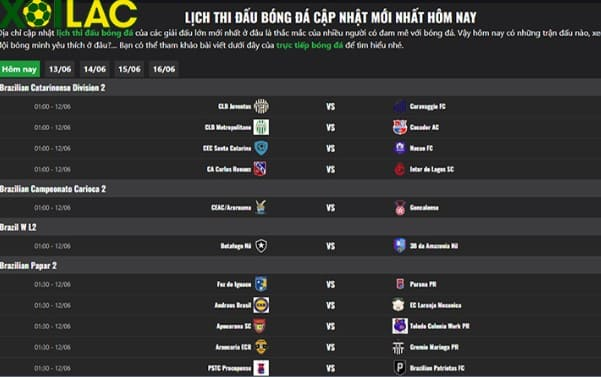
Nắm được thời gian thi đấu của các đội bóng sẽ diễn ra vào những ngày tiếp theo
Để không bỏ lỡ bất kỳ một trận đấu nào được phát trực tiếp bóng đá tại kênh Xoilac TV, bạn có thể lựa chọn chuyên mục cung cấp lịch thi đấu của kênh. Đây là một chuyên mục được xây dựng khá chỉnh chu, cập nhật tất cả những giải đấu mà anh em mong muốn theo dõi. Qua chuyên mục này, bạn sẽ biết được thời gian thi đấu của các đội bóng sẽ diễn ra vào những ngày tiếp theo.
Chuyên mục này cũng cấp cho các anh em những thông tin quan trọng như thời gian diễn ra trận đấu, đội hình của hai câu lạc tham gia, sân vận động tổ chức trận đấu và các thông tin về trọng tài.
Ngoài ra, để anh em có thêm thông tin soi cầu hiệu quả, trang web còn cung cấp các lịch sử đối đầu, vị trí và phong độ thi đấu của các đội bóng đang tham gia trong trận đấu.
XoilacTV cập nhật bảng xếp hạng bóng đá đầy đủ thông tin
Nếu như bạn có một đội bóng mình yêu thích tham gia vào một giải đấu đang được phát sóng. Chắc chắn bạn sẽ muốn được biết được vị trí của đội bóng này so với các đội khác trong cùng một giải đấu. Điều này là hoàn toàn đơn giản nếu như bạn truy cập vào trang web bóng đá xôi lạc, sẽ thấy được một chức năng khá hữu ích đó chính là cập nhật bảng xếp hạng thi đấu của các đội bóng. Khi đó bạn sẽ biết được thành tích của đội bóng mà mình yêu thích tại giải đấu. Khi truy cập vào chuyên mục này, bạn sẽ thấy được bảng xếp hạng của bất kỳ các giải đấu nào đó được phát trực tiếp tại đây. Bảng xếp hạng sẽ có đầy đủ các thông tin về các đội bóng như điểm số, vị trí, số lượt thi đấu, hiệu số thắng thua cũng như thành tích trong 5 trận gần đây.
Toàn bộ những thông tin mà trong web Xôi Lạc TV cập nhật đều chính xác và đảm bảo nhanh chóng đến với người hâm mộ.
Xôi Lạc TV cập nhật kết quả bóng đá nhanh chóng và chuẩn xác

Kết quả bóng đá cập nhật nhanh chóng nhất tại Xoilac
Nếu như bạn không có thời gian để xem tất cả các trận đấu bóng đá tại Xoilac TV, mà đến tận những vòng cuối mới có thể truy cập và theo dõi. Thì bạn không cần phải lo lắng về việc không nắm được kết quả của giải đấu trong những trận đấu trước.
Trang web Xôi Lạc TV cập nhật đầy đủ các kết quả bóng đá tại những trận đấu vừa mới diễn ra nhanh chóng.
Tại chuyên mục cập nhật kết quả này, bạn sẽ nắm được những thông tin như tỷ số của trận đấu, cầu thủ ghi bàn, số lần phạt góc, thời gian kiểm soát bóng,… bạn không chỉ xem được kết quả của một trận bóng, mà có thể xem cập nhật được kết quả của nhiều các trận đấu bóng đá khác nhau trên trang web.
XoilacTV lưu trữ những đoạn video highlight bóng đá đặc sắc
Đối với những người hâm mộ yêu thích bóng đá, nhưng không phải lúc nào cũng có thời gian để xem trực tiếp. Xoilac cập nhật một tính năng mới, đa số người hâm mộ điều muốn sử dụng đó là chuyên mục highlight cực kỳ tiện lợi. Khi người xem truy cập vào tính năng này tại trang web, sẽ được cung cấp đầy đủ các video highlight ghi lại những khoảnh khắc tại các trận đấu bóng đá.
Đây là những video về các tình huống phạm lỗi trên sân, các pha bóng nguy hiểm hay các tình huống ghi bàn. Qua đó, bạn có thể nắm được diễn biến của trận đấu một cách tổng quát. Ngoài ra, người xem có thể kết hợp với xem kết quả bóng đá để nắm rõ và chính xác những thông tin về trận đấu mà bạn quan tâm.
Chất lượng video highlight bóng đá đảm bảo chất lượng ổn định, sắc nét với hệ thống âm thanh sống động. Đặc biệt, đây đều là những video có bình luận viên tạo nên không khí sôi động và gay cấn.
Cập nhật tỷ lệ kèo hôm nay chuẩn xác tại Xoilac TV

Người dùng đánh giá XoilacTV là một địa chỉ trang web xem bóng đá trực tuyến hôm nay hàng đầu Việt Nam bởi vì các tính năng đa dạng mà kênh mang tới.
Số lượng các trận đấu diễn ra hằng ngày rất đa dạng, do đó anh em sẽ có được nhiều lựa chọn để anh em tham gia.
Đây đều là những thông tin kèo chính xác và đảm bảo giúp anh em xôi lạc có được những kèo trận đấu mà mình mong muốn.
Cẩm nang với nhiều thông tin thú vị
Để cho những người dùng mới khi sử dụng Xoilac TV có thể nắm được cách tham gia, học hỏi những kinh nghiệm nhận định. XoilacTV đưa vào tính năng cung cấp những cẩm nang hữu ích liên quan đến bóng đá. Đây đều là những kinh nghiệm, những mẹo chia sẻ từ các chuyên ra lâu năm hoặc những người chơi đã sử dụng xôi lạc để bạn tham khảo.
Những thông tin này sẽ giúp ích cho bạn trong quá trình tham gia xem bóng đá trực tuyến.
Livescore mới mẻ
Ứng dụng này được đưa vào trong danh mục tính năng của xôi lạc nhằm cung cấp cho anh em tỷ số bóng đá hoàn toàn miễn phí. Tại ứng dụng này, bạn sẽ dễ dàng xem được tỷ số trực tuyến của các trận đấu bóng đá đã diễn ra trong ngày. Bên cạnh đó là các thông tin về các tình huống thẻ phạt, ném biên, phạt góc,... Đây đều là những thông tin chính xác và được cập nhật nhanh chóng để người xem bong da xoilac được biết. Ứng dụng Livescore này giúp bạn còn có thể cập nhật lịch phát sóng thể thao với đầy đủ các bộ môn như quần vợt, quyền anh, bóng rổ, bóng chuyền với chất lượng cao. Nếu anh em yêu thích các bộ môn thể thao ngoài bóng đá thì có thể truy cập và lựa chọn ứng dụng Livescore của Xoilac TV.
Tường thuật đa dạng các giải đấu tại kênh Xoilac trực tiếp bóng đá hôm nay

Xoilac TV là địa chỉ phát trực tiếp uy tín và cung cấp đa dạng các giải đấu
Đối với những người đam mê bóng đá và yêu thích các trận đấu thuộc các giải đấu bóng đá trên thế giới. Luôn mong muốn tìm kiếm được địa chỉ phát trực tiếp uy tín và cung cấp đa dạng các giải đấu. Kênh xem bong da truc tiep Xoi Lac đáp ứng được đầy đủ yêu cầu về sự đa dạng giải đấu đó. Vậy xem truc tiep bong da hom nay Xoilac TV phát trực tiếp những giải đấu nào, theo dõi phần dưới đây để biết được câu trả lời.
Xem bóng đá trực tuyến hôm nay giải World cup chất lượng tại XoilacTV
Chắc hẳn, bạn đã không còn lạ lẫm gì với giải đấu bóng đá vô địch thế giới, đây là giải đấu thu hút số lượng người quan tâm đông đảo. Được tổ chức 4 năm một lần và là nơi quy tụ của nhiều các đội bóng hàng đầu thế giới. Mỗi trận đấu thuộc vào giải đấu này đều mang tới cho người xem những phút giây giải trí chất lượng. XoilacTV cập nhật danh sách các trận đấu thuộc giải đấu này vào danh sách cập nhật của mình để phát truc tiep bong da miễn phí tới người hâm mộ. Nếu bạn là fan hâm mộ của giải đấu này, hãy truy cập Xôi Lạc TV để tận hưởng và cổ vũ cho đội bóng mình yêu thích.
Trực tiếp bóng đá hôm nay Cúp C1 châu Âu đẳng cấp tại Xôi Lạc TV

Giải đấu cúp C1 châu Âu đẳng cấp tại Xoilac TV
Người hâm mộ biết tới giải đấu này chính là UEFA Champinons League, giải đấu bóng đá hàng đầu tại châu Âu. Tại đây, tập hợp nhiều các CLB có tên tuổi để mang tới cho người hâm mộ những trận đấu ấn tượng. Được mệnh danh là giải đấu lớn thứ 2 sau giải bóng đá vô địch thế giới, tại đây mang tới những trận đấu mãn nhãn cho người xem tại Xôi Lạc trực tiếp bóng đá hôm nay. Giải đấu tập hợp nhiều những siêu sao bóng đá trên thế giới và các câu lạc bộ hàng đầu. Danh tiếng của giải đấu này cũng thuộc top nổi tiếng toàn cầu. Xoilac TV trực tiếp bóng đá các trận đấu qua tất cả các vòng của giải đấu này và phát miễn phí cho người hâm mộ.
Xem trực tiếp bóng đá Xoilac TV các giải đấu vô địch quốc gia hàng đầu thế giới

Không chỉ cập nhật một giải đấu quốc gia nào đó, mà tại xem trực tiếp bóng đá xoilac cập nhật đầy đủ link xem bong da hom nay của các quốc gia nổi tiếng. Đây mà giải đấu thu hút được người hâm mộ tại khắp các quốc gia tổ chức trên thế giới. Bao gồm có các giải đấu vô địch quốc gia như:
-
Trực tiếp bóng đá giải đấu vô địch quốc gia Anh - Premier League (Ngoại Hạng Anh) tại Xoilac TV
-
Xem bóng đá trực tuyến hôm nay giải đấu vô địch quốc gia Pháp - Ligue 1 tại XoilacTV.
-
Xem trực tiếp bóng đá hôm nay VĐQG Đức - Bundesliga tại Xôi Lạc TV.
-
Xem bóng đá trực tuyến hôm nay VĐQG Ý - Serie A tại Xôi Lạc TV.
-
Xem bóng đá VĐQG Tây Ban Nha - Laliga tại kênh trực tiếp bóng đá XoilacTV.
Ngoài ra, vẫn còn rất nhiều các giải đấu đến từ các quốc gia khác nhau đều được Xoilac TV cập nhật và phát trực tiếp đến người xem bóng đá trực tuyến.
Trực tiếp bóng đá Việt Nam tới người hâm mộ nước nhà tại Xoilac TV
Đặc biệt, tại trang web xem bong da Xoilac TV không thể bỏ qua các trận đấu thuộc các giải đấu bóng đá nước nhà. Nếu bạn hâm mộ và yêu thích các giải đấu bóng đá tại Việt Nam có thể lựa chọn XoilacTV để đồng hành.
Đăng ký tài khoản tại kênh xem bóng đá trực tiếp Xoilac TV dễ dàng và nhanh chóng
Đăng ký tài khoản tại kênh trực tiếp bóng đá Xoilac TV dễ dàng và nhanh chóng
Như đã nói về những lợi ích của trực tiếp bóng đá Xôi Lạc TV, chúng ta đã biết rằng trang web này không yêu cầu người xem chi trả phí và đăng ký tài khoản. Tuy nhiên, nếu như bạn muốn trải nghiệm đầy đủ dịch vị tại trang web, bạn nên đăng ký và đăng nhập cho mình một tài khoản tại kênh truc tiep bong da hom nay Xoilac TV. Dưới đây, chúng tôi sẽ hướng dẫn các bạn các thao tác để đăng ký tài khoản tại Xoi Lac TV:
Bước 1: Người xem tìm kiếm đúng đường link của kênh xem bóng đá trực tuyến Xoilac TV và truy cập vào giao diện của trang web. Trên danh mục trang chủ giao diện, bạn tìm và chọn vào chuyên mục “ đăng ký”, nút này thường ở góc trên bên phải của màn hình giao diện.
Bước 2: Sau đó, giao diện sẽ chuyển bạn sang một form yêu cầu, bạn cần nhập đầy đủ thông tin đăng ký của người mình bao gồm có tên tài khoản, nhập địa chỉ email, mật khẩu để tạo tài khoản.
Bước 3: Sau khi đã nhập đầy đủ thông tin và kiểm tra độ chính xác của các thông tin đó, bạn nhấn vào nút “đăng ký” để có thể hoàn tất được các bước đăng ký tài khoản tại truc tiep bong da xoilac. Khi đã có được tài khoản, bạn đăng nhập vào kênh truc tiep bong da Xoilac TV bằng cách nhập tên đăng nhập và mật khẩu để sẵn sàng tham gia và trải nghiệm đầy đủ các tính năng của trang web.
Chỉ với một vài thao tác đơn giản, bạn đã có thể dễ dàng tạo cho mình được một tài khoản và đăng nhập tại Xoilac TV.
Cách để xem bong da truc tiep hôm nay chất lượng cao tại Xôi Lạc TV
Cách theo dõi các trận đấu bóng đá trực tuyến tại xôi lạc
Trang web xem bong da truc tuyen XoilacTV xây dựng một giao diện khoa học, bố cục các danh mục được sắp xếp gọn gàng giúp người sử dụng dễ dàng tìm kiếm và truy cập. Thêm vào đó, trang web này cũng tương thích với nhiều các thiết bị để hỗ trợ quá trình trải nghiệm của người dùng như máy tính, laptop hay điện thoại di động. Nếu đã đảm bảo đầy đủ các yếu tố về thiết bị và đường truyền internet, bạn có thể truy cập và xem các trận đấu bóng đá trực tiếp tại Xôi Lạc TV dễ dàng. Chỉ cần các bạn làm theo hướng dẫn dưới đây của chúng tôi:
Bước 1: Đầu tiên, bạn truy cập vào trình duyệt trên thiết bị sử dụng để xem bóng đá trực tiếp xôi lạc tv hôm nay. Đảm bảo thiết bị đã được kết nối với đường truyền internet ổn định để quá trình này được diễn ra nhanh chóng.
Bước 2: Bạn nhập các kết quả tìm kiếm về trang web bóng đá Xôi Lạc thông qua các từ khóa liên quan đến bóng đá trực tuyến hoặc liên quan đến Xoilac TV như xem bóng đá trực tuyến, Xoilac TV, XoilacTV, Xôi lạc TV, truc tiep bong da xoilac tv, trực tiếp bóng đá Xoilac TV hôm nay, xem bong da hom nay, xem bóng đá hôm nay, bong da truc tuyen hom nay,…
Bước 3: Sau khi đã tìm kiếm được những kết quả mà trình duyệt đưa ra, bạn truy cập vào đúng đường link của kênh trực tiếp bóng đá hôm nay Xôi Lạc TV. Lúc này giao diện chính của trang web sẽ xuất hiện, bạn kéo xuống dưới sẽ thấy nút tắt “xem ngay”.
Bước 4: Bạn click chuột vào nút xem ngay và hệ thống sẽ chuyển bạn đến giao diện bao gồm có các trận đấu đang diễn ra và sắp diễn ra. Tìm kiếm trận đấu mà mình muốn theo dõi, sau đó nhấn vào trận đấu sẽ xuất hiện tất cả các đường link mà trang web cung cấp. Trong đó, có đường link chính và các đường link dự phòng, bạn chỉ cần chọn lựa vào đường link trực tiếp bóng đá để xem hoặc copy và dán vào trình duyệt web. Sau khi đường link được mở ra, bạn có thể tận hưởng những phút giây giải trí với các trận đấu bóng đá mà mình yêu thích.
Quá trình tìm kiếm trận đấu của người dùng cũng sẽ dễ dàng tại kênh xem bóng đá Xoilac TV. Tại đây trong web hỗ trợ bạn tất cả các danh mục trận đấu diễn ra vào hôm nay, ngày mai và các lựa chọn tìm kiếm liên quan đến bóng đá khác.
Đối với các đường link xem bóng đá trực tuyến tại mỗi trận đấu mà trang web Xoilac TV trực tiếp cung cấp cho bạn, đều là những đường link đảm bảo an toàn và không chứa virus. Thông thường, mỗi trận đấu, xoilac sẽ cung cấp ít nhất 3 đường link để cho bạn lựa chọn.
Xem truc tiep bong da Xoi Lac TV là một lựa chọn an toàn và phù hợp với những người dùng không có quá nhiều thời gian để ngồi trước màn hình máy tính, cũng như không có nhiều chi phí để đăng ký các gói cước hàng tháng. Chính vì vậy, trang web xem bong da truc tuyen XoilacTV là một điểm hẹn đầy thú vị và chất lượng dành cho bạn và những người thân.
Trải nghiệm xem trực tiếp bóng đá Xoilac TV mọi lúc, mọi nơi
Trải nghiệp app xoilac tiện lợi xem bóng đá dễ dàng
Hiện nay, với sự phát triển của công nghệ, cùng với việc không phải ai cũng có nhiều thời gian rảnh để xem trực tiếp bóng đá bằng các thiết bị như máy tính hay laptop. Do đó, Xoilac TV hỗ trợ người xem bóng đá sử dụng app xem bong da xoilac với đầy đủ tiện ích trên điện thoại di động. Việc tải ứng dụng app Xoilac TV giúp cho người xem đơn giản hóa quá trình trải nghiệm trực tiếp bóng đá hôm nay. Nếu bạn chưa biết cách tải app về thiết bị di động của mình, hãy tham khảo những hướng dẫn dưới đây của chúng tôi.
Tải app trực tiếp bóng đá Xoilac TV trên thiết bị di động có hệ điều hành Android
Để tải app về thiết bị hệ điều hành Android, bạn cần phải đảm bảo thiết bị kết nối internet ổn định và đủ mạnh và làm theo các bước dưới đây:
Bước 1: Bạn truy cập vào ứng dụng Google play trên thiết bị điện thoại, sau đó gõ vài danh mục tìm kiếm cụm từ “xoilac”.
Bước 2: Lúc này, giao diện sẽ hiển thị một loạt các danh sách các ứng dụng, bạn nên lựa chọn đúng ứng dụng app của Xoilac, sau đó nhấn vào nó.
Bước 3: Bạn nhấn “tải về” để bắt đầu quá trình tải ứng dụng về thiết bị. Quá trình này cần đảm bảo có một nguồn kết nối ổn định và tránh bị ngắt quãng.
Sau khi ứng dụng đã được tải về thiết bị, bạn tiến hành cài đặt và mở ứng dụng để đăng ký tài khoản để trải nghiệm luôn các trận đấu bóng đá chất lượng tại xoilac.
Tải app Xôi Lạc TV trực tiếp bóng đá hôm nay trên thiết bị di động có hệ điều hành iOS
Để tải app về thiết bị hệ điều hành iOS, bạn cũng cần phải đảm bảo thiết bị kết nối internet ổn định và đủ mạnh và làm theo các bước hướng dẫn dưới đây:
Bước 1: Do thiết bị hệ điều hành iOS không cho phép cài ứng dụng bên ngoài, do đó bạn hãy truy cập vào trình duyệt safari và tìm kiếm “tải trực tiếp bóng đá hôm nay XoilacTV”.
Bước 2: Lúc này, giao diện sẽ hiển thị một loạt các danh sách các ứng dụng, bạn nên lựa chọn đúng ứng dụng app của kênh xem bóng đá Xôi Lạc TV, sau đó nhấn vào nó và chờ đợi trình duyệt đưa ra gợi ý tải xuống.
Bước 3: Bạn nhấn “tải về” để bắt đầu quá trình tải ứng dụng về thiết bị. Quá trình này cần đảm bảo có một nguồn kết nối ổn định và tránh bị ngắt quãng. Khi đã tải xong về thiết bị, bạn cần phải truy cập vào danh sách mục tải về tại ứng dụng tệp của iphone. Sau đó, mở ứng dụng và tiến hành cài đặt về thiết bị, quá trình có thể mất vài phút.
Sau khi ứng dụng xem bóng đá Xôi Lạc đã được tải về thiết bị, bạn tiến hành cài đặt và mở ứng dụng để đăng ký tài khoản và đăng nhập để xem các trận đấu bóng đá và tham gia bình luận, xem tin tức bóng đá.
Ngoài ra, chúng tôi cũng hướng dẫn người dùng tải ứng dụng xem bong da Xoilac về các thiết bị khác như máy tính hoặc xem trên smart TV.
Tải ứng dụng xem bong da truc tiep Xoilac hôm nay về máy tính là Windows hoặc macOS

Xoilac TV cập nhật và phát trực tiếp đến người hâm mộ bóng đá chất lượng
Để tải app Xôi Lạc TV trực tiếp bóng đá về thiết bị máy tính, bạn thao tác theo các bước hướng dẫn dưới đây:
Bước 1: Bạn truy cập vào trình duyệt web của thiết bị máy tính tuỳ vào hệ điều hành, sau đó tìm kiếm ứng dụng Xôi Lạc bóng đá.
Bước 2: Lúc này, bạn hãy tìm liên kết của ứng dụng trên máy tính và tải về máy tính của mình. Đặc biệt, trang web xây dựng ứng dụng dành riêng cho máy tính macOS.
Bước 3: Sau khi đã tìm kiếm được ứng dụng, bạn tải ứng dụng bằng cách nhấn liên kết được gợi ý. Sau khi quá trình tải hoàn tất, bạn mở tệp và cài đặt theo những hướng dẫn để hoàn tất quá trình.
Bạn mở ứng dụng và trải nghiệm đầy đủ các dịch vụ mà kênh bong da truc tiep XoilacTV cung cấp cho người xem như xem trực tiếp bóng đá, xem lịch thi đấu và xem kết quả thi đấu,…
Xem truc tiep bong da Xoilac TV hom nay trên smart TV hoặc thiết bị ghi hình
Để xem trực tiếp bóng đá Xôi Lạc TV trên smart TV hoặc thiết bị ghi hình, bạn thao tác theo các bước hướng dẫn dưới đây:
Bước 1: Khi xem bóng đá trên smart TV, bạn có thể lựa chọn tải ứng dụng xem bóng đá trực tuyến Xoilac trên TV hoặc thiết bị ghi hình. Bạn truy cập vào ứng dụng tương ứng với thiết bị smart TV hoặc trình duyệt thích hợp.
Bước 2: Tìm kiếm ứng dụng Xôi Lạc trực tiếp bóng đá, sau đó nhấn tải về và cài đặt vào thiết bị của bạn.
Bước 3: Sau khi đã cài đặt được ứng dụng, bạn mở ứng dụng và sử dụng các tính năng trên Smart TV hoặc thiết bị ghi hình.
Với các thao tác dễ dàng, bạn đã có thể tận hưởng không gian giải trí thú vị và sắc nét trên thiết bị smart tv của bạn.
Xem trực tiếp bóng đá hôm nay trên hệ thống của Xôi Lạc TV
Mang lại cho người dùng trải nghiệm xem bong da hom nay hoàn hảo tại XoilacTV
Suốt từ khi thành lập đến nay, Kênh xem bóng đá trực tiếp Xôi Lạc TV đã đem lại cho người sử dụng rất nhiều tiện ích, do đó số lượng thành viên truy cập trang web ngày càng đông đảo. Đôi lúc, vào khoảng thời gian mùa giải diễn ra, các đường link chính của trang web có thể gặp phải tình trạng giật lag. Do đó, trang web này xây dựng nhiều kênh nhánh cùng hệ thống để hoạt động riêng biệt, góp phần mang lại cho người xem trải nghiệm xem bóng đá trực tiếp hôm nay tại Xoilac TV. Dưới đây là hệ thống các kênh nhánh mà truc tiep bong da Xoi Lac cung cấp:
Kênh nhánh Xoilac TV 1 chuyên về bóng đá trực tuyến hôm nay
Trang web xoilac 1 hay Xoilac TV1 là nhánh kênh chuyên về cung cấp các giải đấu trực tiếp Xôi Lạc hôm nay cho người hâm mộ. Tập hợp đầy đủ các giải đấu lớn như giải bóng đá Ý, giải bóng đá ngoại hạng Anh, giải bóng đá Tây Ban Nha, giải bóng đá vô địch thế giới,… đặc biệt, phát miễn phí cho toàn bộ người hâm mộ tại xôi lạc 1.
Xoilac 1 net là kênh nhánh chuyên về phát trực tiếp bóng đá, nên chất lượng các trận đấu tại đây đều được đảm bảo bởi nhiều yếu tố như hình ảnh chất lượng, âm thanh phù hợp, dễ dàng điều chỉnh và đường truyền ổn định. Hãy lựa chọn xem bóng đá trực tuyến xôi lạc 1 net, bạn sẽ được trải nghiệm thế giới giải trí không kém gì Xoilac TV.
Kênh nhánh Xoilac 2 chuyên về tin tức bóng đá

Kênh nhánh Xoilac 2 chuyên về tin tức bóng đá
Kênh xôi lạc 2 ra đời để hỗ trợ người xem tìm kiếm những thông tin bóng đá và thể thao. Tại đây, anh em có thể cập nhật được tin tức về các đội bóng tham gia, những đánh giá trước trận đấu, sau khi trận đấu kết thúc. Bên cạnh đó, còn có các thông tin về lịch thi đấu, kết quả của tất cả các câu lạc bộ. Những nguồn thông tin này giúp ích cho anh em trong việc tìm kiếm thông tin và nhận định bóng đá phù hợp.
Ngoài ra, bạn cũng có thể xem Xoilac truc tiep bong da uy tín và ổn định để người hâm mộ theo dõi các trận đấu bóng đá trực tuyến.
Kênh xem bóng đá Xoilac 3 - Trực tiếp bóng đá hôm nay chất lượng
Tuy là một kênh nhánh mới được thành lập trong thời gian chưa lâu, tuy nhiên tại đây cũng cập nhật đầy đủ cho người xem trực tiếp bóng đá Xôi Lạc với hệ thống đường link dự phòng chất lượng. Bất kể khi nào gặp vấn đề trục trặc, Xoi Lac 3 sẽ cung cấp những đường link xem bóng đá kịp thời đến với người hâm mộ.
Nếu bạn thường gặp phải các vấn đề giật lag hay đường truyền quá tải khi xem bóng đá hôm nay, bạn có thể lựa chọn kênh nhánh xôi lạc 3 của trang web Xôi Lạc TV để có được những trải nghiệm tuyệt vời nhất.
Kênh nhánh xoilac 5 - Truc tiep bong da hom nay uy tín

Kênh nhánh 5 tạo nên sự đa dạng cho hệ thống các trang web của Xôi Lạc TV
Đây là một chuyên trang cập nhật không chỉ các giải đấu bóng đá lớn mà còn có các giải đấu bóng đá cỏ, hay các giải đấu chưa có số lượng người xem bóng đá hôm nay quá nhiều. Kênh nhánh này tạo nên sự đa dạng cho hệ thống các trang web của Xôi Lạc TV. Bên cạnh đó, tại đây cũng có những tin tức bóng đá không chỉ gói gọn ở những tin tức của các giải đấu lớn, mà Truc tiep Xoilac 5 còn có những thông tin bên lề để người hâm mộ nắm được như cuộc sống bên lề của các cầu thủ, tình hình chuyển nhượng, các huấn luyện viên của các đội bóng.
Kênh nhánh Xoilac 6 - xem bóng đá trực tuyến hôm nay ổn định
Một trang web cũng trong hệ thống các kênh nhánh của Xôi Lạc TV chính là xôi lạc 6. Người hâm mộ có thể thỏa sức xem bóng đá trực tuyến hôm nay với chất lượng hình ảnh và âm thanh luôn được đảm bảo. Bên cạnh đó là yếu tố đường truyền cung cấp ổn định, không gặp tình trạng giật lag khi truy cập vào các đường link xem bong da Xoi Lac. Người hâm mộ được hỗ trợ tối đa trong quá trình xem và trải nghiệm bóng đá tại kênh nhánh này.
Kênh nhánh Xoilac TV 7 - Trực tiếp bóng đá đa dạng trận đấu

Xem bóng đá trực tiếp bóng đá xoilac 7 để tận hưởng không gian xem thể thao và bóng đá chất lượng
Xoi Lac 7 hay xoilac 7 net là một trang web cung cấp các đường link phát sóng trực tiếp bóng đá với sự đa dạng trong hệ thống các trận đấu được cập nhật. Với thiết kế giao diện màu sắc hài hòa, phù hợp với nhãn quan của tất cả người dùng ở mọi lứa tuổi. Bên cạnh đó, kênh Xoilac TV trực tiếp bóng đá cũng có nhiều tin tức được cập nhật và cung cấp các thông tin bên lề bóng đá đa dạng.
Xem bong da truc tiep Xoilac 7, bạn sẽ được tận hưởng không gian xem thể thao và bóng đá chất lượng. Bong da Xoi Lac cũng luôn bảo mật những thông tin của khách hàng tuyệt đối, không để bất kỳ trường hợp rò rỉ thông tin nào sẽ có thể xảy ra. Luôn làm hài lòng khách hàng bằng chế độ chăm sóc tốt nhất là mục tiêu hướng tới của truc tiep bong da xoilac 7.net.
Kênh nhánh Xoilac 8 - Dành cho khán giả xem bóng đá hôm nay thích giao lưu và chia sẻ
Xôi lạc 8 là trang web tiếp nối chuỗi kênh nhánh của Xôi Lạc TV, cung cấp đường link xem bóng đá trực tuyến tại nhiều có giải đấu bóng đá và hỗ trợ người xem xem bóng đá trực tuyến có thể giao lưu, chia sẻ kinh nghiệm và các kiến thức về đóng đá với nhau nhằm tạo nên một môi trường xem bóng đá chất lượng và lành mạnh.
XoilacTV Live - Kênh truc tiep bong da được nhiều người yêu thích

Xoilac live tập trung vào chất lượng đường truyền cung cấp cho người hâm mộ xem bóng đá trực tuyến
Kênh Xoilac live là trang web trực tiếp bóng đá hàng đầu hiện nay, được người xem đánh giá tốt về độ chất lượng và dịch vụ mang tới. Trang web này hiện nay có lượt người truy cập rất đông đâu, thuộc top đầu tiên trong hệ thống các trang web cùng hệ thống với Xôi Lạc TV. Sở dĩ có được điều này bởi vì kênh xem bong da Xoi Lac tập trung vào chất lượng đường truyền cung cấp cho người hâm mộ xem bóng đá trực tuyến hôm nay. Cập nhật đa dạng các giải đấu bóng đá trong và ngoài nước, cung cấp thêm nhiều các đường link dự phòng trong các trường hợp quá tải đường truyền truy cập vào trang chính chủ. Nếu bạn muốn tận hưởng xem trực tiếp bóng đá hôm nay với chất lượng cao và sự ổn định, bạn có thể lựa trang web xoilac live.
Kênh Xoilac net - Cập nhật link trực tiếp bóng đá hôm nay nhanh chóng
Xoilac nét là chuyên trang cập nhật tin tức bóng đá và cung cấp cho người xem các kèo bóng đá, xem lại bóng đá và xem tỷ số nhanh chóng và chính xác nhất. Chỉ cần truy cập vào bóng đá trực tiếp Xôi Lạc, bạn sẽ nắm được những thông tin về bóng đá nhanh chóng và hiệu quả. Không bỏ lỡ bất kỳ một bản tin nào mà trang web mang tới.
Ngoài ra, hệ thống các kênh nhánh của bong da truc tuyen Xoilac vẫn đang phát triển với nhiều các tên khác như xoilac 17, mì tôm xôi lạc, Xoilac TV 90 phút,… Ngày càng cập nhật thêm nhiều những website mới để phủ sóng toàn bộ các trận đấu bóng đá trực tiếp chất lượng đến được với nhiều người hâm mộ trên khắp cả nước.
Điểm qua hệ thống một số trang web trực tiếp bóng đá khác

Hệ thống các trang web cung cấp link bóng đá xem trực tuyến
Ngoài Xoilac TV là một địa chỉ phát sóng trực tiếp bóng đá ổn định dành cho người hâm mộ, dưới đây chúng tôi giới thiệu đến người xem một số website xem bóng đá hôm nay khác như:
-
Đài truyền hình K+
-
Trang web truc tiep bong da 90Phut tv
-
Trang web trực tiếp bóng đá MitomTV
-
Website xem bóng đá Ra khơi TV
-
Truc tiep bong da tại truyền hình VTV3, VTV6,…
-
Trang web bóng đá trực tiếp Banthang TV
-
Trang web bóng đá trực tuyến Cakhia TV
-
Trang web xem bong da hom nay Vao Roi TV
-
Trang web trực tiếp bóng đá hôm nay Ngoac TV
-
Website truc tiep bong da hom nay Thuckhuya TV
-
Trang web xem bóng đá Thevang TV
-
Trang web xem bong da Thedo TV
-
Website trực tiếp bóng đá hôm nay Sương TV
Và còn rất nhiều những trang web khác phát trực tiếp bóng đá trên thị trường nhưng chất lượng không thể bằng XoilacTV nên chúng tôi không kể đến.
Những kinh nghiệm xem bong da truc tiep hom nay tốt nhất trên Xoilac TV

Để theo dõi bóng đá tại Xoilac TV trực tiếp bóng đá an toàn, bạn nên lưu ý một số những vấn đề quan trọng
Trang web Xoilac trực tiếp bóng đá hôm nay đảm bảo mang đến cho người dùng những trải nghiệm dịch vụ tốt và cung cấp tin tức bóng đá đa dạng. Tuy nhiên, với một số những người dùng lâu năm, họ biết cách để tham khảo những nguyên tắc hoạt động và không vi phạm vào những nguyên tắc hoạt động đó của kênh Xôi Lạc TV trực tiếp bóng đá. Còn với một số những người xem mới, kinh nghiệm chưa nhiều, đôi lúc cần một số những lời khuyên và kinh nghiệm từ chuyên gia để quá trình trải nghiệm xem truc tiep bong da toc do cao được tốt hơn. Để theo dõi các trận đấu tại kênh trực tiếp bóng đá Xôi Lạc TV được an toàn và ổn định, bạn nên lưu ý một số những vấn đề quan trọng dưới đây:
Hiện nay, có rất nhiều các đối tượng lợi dụng sự uy tín và phát triển của trang web Xôi Lạc xem bóng đá hôm nay để tạo ra những trang web giả mạo nhằm mục đích lừa đảo tiền bạc và đánh cắp thông tin của người dùng vào những mục đích xấu. Do đó, trước khi thao tác truy cập vào xem bóng đá Xoilac TV, bạn cần kiểm tra các đường link truc tiep bong da có chính xác hay không và có đảm bảo an toàn hay không.

Bạn nên tuân thủ các điều khoản sử dụng dịch vụ và quy định của trang web về bóng đá
-
Có một số những người dùng mới sử dụng, thường vi phạm các điều khoản sử dụng của trang web xoilac. Dẫn đến bị khóa quyền truy cập vĩnh viễn. Do đó, khi xem trực tiếp bóng đá Xôi Lạc TV, bạn nên tuân thủ các điều khoản sử dụng dịch vụ và quy định của trang web. Trong đó, cấm người xem phát tán những nội dung ảnh hưởng đến quyền lợi của trang web truc tiep bong da Xoilac TV. Cũng như không được đăng tải các nội dung mà xoilac đã phát sóng lên các nền tảng khác.
-
Kênh xem bóng đá trực tuyến Xoilac TV hôm nay không yêu cầu người dùng phải đăng ký tài khoản khi xem bóng đá trực tuyến. Tuy nhiên, nếu muốn bình luận trên các trận đấu trực tiếp bóng đá, bạn nên tạo cho mình một tài khoản tại trang web. Chuyên mục bình luận trong trận đấu bóng đá trực tuyến cũng nhằm gắn kết những người yêu thích và đam mê bóng đá với nhau. Họ có thể chia sẻ những ý kiến, nhận định của mình với những người hâm mộ bóng đá khác thông qua khung chat. Ngoài ra, bạn cũng có thể chat với bình luận viên để có thêm thông tin về bóng đá và cập nhật các tin tức trong trận đấu.
Hy vọng với một số những nguyên tắc và kinh nghiệm đến từ các chuyên gia trên đây sẽ giúp các bạn có thêm trải nghiệm xem trực tiếp bóng đá Xôi Lạc TV tốt nhất.
Những lưu ý để đảm bảo xem bóng đá trực tuyến hôm nay tại Xoilac TV được ổn định

Chuẩn bị cho mình một nguồn kết nối internet với tốc độ cao để xem bóng đá trực tuyến ổn định
Để có được trải nghiệm xem trực tiếp bóng đá hôm nay tại trang web xem bóng đá Xôi Lạc TV tốt nhất, anh em cần lưu ý những vấn đề dưới đây của chúng tôi:
-
Bạn nên chuẩn bị cho mình một nguồn kết nối internet với tốc độ cao, để đảm bảo xem bóng đá trực tuyến ổn định và mượt mà. Nếu như bạn sử dụng những kết nối internet có đường truyền chậm, có thể xảy ra quá trình giật lag, bị đứng hình trong khi xem bóng đá trực tuyến, gây khó chịu.
-
Để giải quyết được hiện tượng giật lag trong quá trình xem bóng đá trực tuyến, bạn chỉ cần tạm dừng trận đấu trong vòng một vài giây sau đó tiếp tục xem lại là trận đấu lại chạy trơn tru và không xuất hiện các hiện tượng giật lag nữa.
-
Đối với mỗi giải đấu có các trận đấu hấp dẫn, lượng người theo dõi đông đảo. XoilacTV sẽ cung cấp đường link trước trận đấu khoảng từ 1 đến 2h đồng hồ. Sau đó, anh em nên truy cập càng sớm càng tốt, bởi số lượng người truy cập đông đảo có thể dẫn đến tình trạng bị quá tải đường link. Nếu gặp phải tình trạng này, bạn cũng có thể sử dụng các đường link dự phòng hoặc theo dõi các kênh nhánh của Xôi Lạc TV.

Sử dụng các đường link dự phòng hoặc theo dõi các kênh nhánh của Xôi Lạc TV
-
Tất cả các đường link xem truc tiep bong da tại Xoilac TV điều đảm bảo có chất lượng hình ảnh tốt, có thể điều chỉnh mức độ từ SD lên full HD tùy thuộc vào đường truyền kết nối của người dùng. Do đó, bạn có thể tùy chọn dễ dàng đến mức độ trải nghiệm bằng cách thu nhỏ hoặc phóng to màn hình hay điều chỉnh chế độ mức âm thanh phù hợp với trải nghiệm.
-
Trong quá trình trải nghiệm, có thể bạn sẽ gặp phải tình trạng không thể truy cập vào trang web Xoilac TV. Khi gặp phải vấn đề này, bạn hãy kiểm tra các nguyên nhân gây ra tình trạng đó, có thể là do đường truyền kết nối của bạn chưa ổn định hoặc bạn bị chặn bởi nhà mạng. Lúc này, bạn hãy đổi đường truyền kết nối internet mạnh hơn. Nếu không được, bạn hãy thay đổi địa chỉ IP hoặc DNS trên máy tính để truy cập lại xôi lạp.
-
Trong một số trường hợp, bạn không thể tìm kiếm được trận đấu mà bạn muốn xem truc tiep bong da Xoi Lac TV. Bạn hãy kiểm tra lại cách tìm kiếm xem đã chuẩn xác hay chưa. Có một số những giải đấu bóng đá ít được người dùng quan tâm, Xôi Lạc TV sẽ không mua bản quyền phát sóng. Sau đó bạn hãy xem trận đấu mình yêu thích có thuộc vào các giải đấu này hay không.
Hy vọng với những lưu ý trên đây, các bạn sẽ có được trải nghiệm xem bóng đá trực tuyến tại Xoilac TV tốt nhất là không gặp phải bất kỳ một khó khăn nào.
Xôi Lạc TV vi phạm bản quyền trực tiếp bóng đá là tin đồn không chính xác
Xôilac làm nhiệm vụ truyền tải những đường link bóng đá đó đến với người hâm mộ miễn phí
Hiện nay, trên các diễn đàn xem bóng đá trực tuyến có rất nhiều các tin đồn về vấn đề XoilacTV vi phạm các bản quyền về phát sóng trận đấu. Đây là vấn đề mà không ít các trang web phát trực tiếp bóng đá trên thị trường gặp phải, trong thời buổi bối cảnh xã hội có quá nhiều các trang web bóng đá trực tuyến như hiện nay. Những tin đồn này ảnh hưởng rất nhiều tới quá trình hoạt động và khiến cho người hâm mộ cảm thấy lo lắng và hoang mang. Do đó, chúng tôi sẽ giải đáp những thắc mắc này của một số người hâm mộ như sau:
Trực tiếp bóng đá hôm nay XoilacTV là một trang web chuyên cung cấp các đường link phát sóng trực tiếp bóng đá đến với người hâm mộ. Đây có thể là các giải đấu bóng đá lớn trong nước, ngoài nước và trên thế giới để cung cấp cho người xem.
Bản chất hoạt động của kênh Xôi Lạc TV như một cầu nối giữa người xem bóng đá và các đơn vị phát sóng trực tiếp bóng đá. Chắc chắn, các đơn vị phát sóng trực tiếp đã có sẵn bản quyền của các trận đấu được phát sóng, Kênh xem bóng đá XoilacTV chỉ làm nhiệm vụ truyền tải những đường link xem bóng đá trực tuyến hôm nay đến với người hâm mộ miễn phí.
Để đảm bảo trải nghiệm, trang web xem bong da truc tiep Xoi Lac TV cung cấp đầy đủ đường link xem truc tiep bong da và cập nhật một hệ thống các kênh nhánh khác nhau để đảm bảo trải nghiệm tốt cho người sử dụng. Chứ không phải trang web này tạo ra các tên miền khác nhau để đối phó với nhà mạng.
Nếu như trang web xem bong da Xoilac TV vi phạm bản quyền, thì không thể nào có thể hoạt động trên thị trường đến tận hiện nay. Do đó, bạn có thể yên tâm để xem trực tiếp bóng đá hôm nay bằng các đường link mà trang web này cung cấp đến người dùng. Đặc biệt, kênh không yêu cầu người dùng phải chi trả phí hay đăng ký tài khoản tại đây, nên không có bất cứ một lý do nào có thể nói dối kênh trực tiếp bóng đá Xôi Lạc TV lừa đảo người dùng.
Trang web xem bong da truc tiep Xoi Lac cung cấp đầy đủ đường link xem bóng đá
Vậy những lời đồn về trang web XoilacTV trực tiếp bóng đá hôm nay vi phạm bản quyền hay lừa đảo người dùng từ đâu mà ra.
Những tin đồn này thường xuất phát từ các đối thủ của trang web Xoi Lac TV. Họ thường đưa ra những thông tin như vậy để hạ bệ hoạt động của Xôi Lạc TV.
Với yếu tố luôn đặt khách hàng làm điểm tựa hàng đầu để phát triển các dịch vụ có mặt tại kênh, người dùng có thể hoàn toàn yên tâm về chất lượng dịch vụ mà trang web này mang lại. Đặc biệt, kênh phát bóng đá trực tuyến Xôi Lạc TV còn không ngừng cập nhật các đường link và các trang web cùng hệ thống liên kết để mang tới cho người xem sự đa dạng về trải nghiệm.
Phương thức liên hệ và chăm sóc khách hàng của trực tiếp bóng đá hôm nay Xoilac TV
Các phương thức liên hệ với trang web Xoilac TV trực tiếp bóng đá
Trang web xem bóng đá trực tuyến Xoilac TV được biết đến là một website trực tiếp bóng đá hàng đầu tại Việt Nam. Không chỉ cung cấp cho người xem những dịch vụ bóng đá chất lượng với đường truyền ổn định. Tại đây, còn hỗ trợ khách hàng bằng một đội ngũ chuyên viên chăm sóc khách hàng chuyên nghiệp, hỗ trợ tối đa trong mọi trường hợp cần thiết.
Kênh xem bong da truc tuyen Xoilac TV khắt khe trong việc tuyển chọn các nhân viên cho bộ phận chăm sóc khách hàng. Đây là bộ phận làm việc chuyên nghiệp, sẵn sàng hỗ trợ hỗ trợ hoạt động của người dùng 24/24 dù gặp bất kỳ khó khăn nào.
Người xem khi gặp các vấn đề cần hỗ trợ tại kênh phát bóng đá trực tuyến Xoilac TV, có thể liên hệ với bộ phận này thông qua nhiều các phương thức khác nhau. Đặc biệt, mỗi phương thức liên hệ sẽ có một ưu điểm và nhược điểm, do đó tùy vào mức độ vấn đề mà bạn gặp phải để lựa chọn phương thức phù hợp

Liên hệ Xoilac thông qua nhiều phương thức
Để có thể liên hệ với đội ngũ chăm sóc khách hàng của bong da truc tiep Xoi Lac TV nhanh chóng nhằm hỗ trợ các vấn đề cần thiết, các bạn có thể lựa chọn một trong những hình thức dưới đây
Liên hệ qua email
Bạn có thể gửi email đến địa chỉ của truc tiep bong da XoilacTV là [email protected] để bộ phận chăm sóc khách hàng hỗ trợ. Phương thức này phù hợp với những người dùng cần giải quyết vấn đề nhưng không quá vội vàng và cần nhiều thông tin để mô tả vấn đề cung cấp cho xôi lạc.
Liên hệ bằng Chatbox
Đây là hình thức liên hệ với trang web trực tiếp bóng đá Xôi Lạc TV nhanh chóng và được trả lời trực tiếp. Bộ phận chăm sóc khách hàng sẽ tiếp nhận ngay tin nhắn của người xem và trả lời nhanh chóng nhất. Phương thức này phù hợp với những người dùng đang cần giải quyết nhanh chóng vấn đề mà mình gặp phải.
Liên hệ bằng hotline
Số điện thoại chính thức của kênh xem bóng đá hôm nay Xoilac TV: 0816248376. Hình thức liên hệ này hỗ trợ người dùng hiệu quả, liên hệ với bộ phận khách hàng nhanh chóng và được giải quyết vấn đề hiệu quả nhất từ đội ngũ chuyên viên có kinh nghiệm. Đây là một phương pháp nhanh chóng nhưng người dùng sẽ phải trả phí cho cuộc gọi so với các phương thức khác đều là miễn phí.
Liên hệ bằng mạng xã hội
Liên hệ với trang web xem trực tiếp bóng đá xôi lạc thông qua các mạng xã hội
Hiện nay Xoilac TV hỗ trợ rất nhiều các mạng xã hội khác nhau như Facebook,instagram, viber,... Do đó, bạn có thể liên hệ với trang web xem trực tiếp bóng đá Xôi Lạc TV hôm nay thông qua các mạng xã hội để trình bày các vấn đề đã và đang gặp phải của mình để được hỗ trợ.
Tùy vào vấn đề cần hỗ trợ và sở thích của từng người xem để có phương thức liên hệ phù hợp.
Những việc cần chuẩn bị trước khi lên hệ với xem bong da XoilacTV
Để đảm bảo được phản hồi của bộ phận chăm sóc khách hàng Xôi Lạc TV nhanh chóng và trọng tâm nhất. Trước khi liên hệ với Xoilac TV thông qua bất kỳ một hình thức nào, các bạn cũng nên chú ý những điểm sau:
-
Lựa chọn phương thức liên hệ phù hợp với nhu cầu của mình, nếu muốn giải quyết nhanh chóng thì có thể liên hệ bằng phương thức chatbox hoặc hotline. Trong một vài các trường hợp cần thời gian để giải quyết, bạn có thể lựa chọn phương thức gửi email.
-
Tránh các trường hợp quá trình hỗ trợ không được hiệu quả, bạn cần phải chuẩn bị các câu hỏi trước khi liên hệ với bộ phận chăm sóc khách hàng hoặc Xôi lạc TV để quá trình được diễn ra nhanh chóng và hiệu quả.
-
Bạn nên giữ một thái độ phù hợp khi nói chuyện với các chuyên viên chăm sóc khách hàng của xoilac, sử dụng ngôn ngữ phù hợp và không nói giọng địa phương.
Những trường hợp kênh xem bóng đá Xôi Lạc TV hôm nay sẽ phản hồi

Xoilac uy tín để xem bóng đá chất lượng cao
Đối với bộ phận chăm sóc khách hàng của XoilacTV, không phải lúc nào những thắc mắc của người xem sẽ được phản hồi. Dưới đây là những quy định về các trường hợp được Xôi Lạc TV phản hồi như sau:
-
Gặp các vấn đề về sử dụng dịch vụ tại Xoilac TV, ví dụ như sự cố về đường truyền mạng, sự cố truy cập hay những thông tin sai phạm.
-
Người xem đóng góp ý tưởng nhằm củng cố và hoàn thiện trang xem bóng đá xôi lạc ngày càng phát triển.
-
Bạn có những thắc mắc cần hỗ trợ hay cần cung cấp những thông tin liên quan đến chủ đề bóng đá.
-
Người xem phát hiện ra các trường hợp như cố tình phá hoại trang web hay phát hiện các đường link có chứa virus hoặc mã độc.
-
Bạn muốn trở thành các cộng tác viên của Xôi Lạc TV ở các vị trí như chuyên gia nhận định, bình luận viên hoặc muốn hợp tác để quảng cáo các địa chỉ nhà cái của mình đến với các khách hàng
Những trường hợp trực tiếp bóng đá XoilacTV không phản hồi
Dưới đây là những trường hợp mà kênh trực tiếp bóng đá hôm nay Xôi Lạc TV sẽ từ chối phản hồi những thắc mắc của người xem bóng đá trực tuyến như:
-
Những người có lời nói không đúng với chuẩn mực, có những hành vi trêu đùa và xúc phạm các chuyên viên chăm sóc khách hàng của xôi lạc.
-
Những trường hợp cố tình vi phạm các hành vi như spam tin nhắn, gọi điện liên tục thì trang web sẽ chặt quyền truy cập.
Do đó, để được xử lý vấn đề cần hỗ trợ kịp thời và nhanh chóng, bạn nên tham khảo những thông tin trên đây để bộ phận chăm sóc khách hàng của Xôi Lạc TV hỗ trợ nhanh chóng nhất.
Những thắc mắc của người hâm mộ khi xem truc tiep bong da Xoi Lac TV

Giải mã những thắc mắc của người hâm mộ khi trải nghiệm Xôi Lạc TV
Để quá trình xem bóng đá Xôi Lạc TV của bạn được suôn sẻ và dễ dàng. Cũng như để bạn hiểu sâu hơn về những vấn đề còn băn khoăn tại trang web xem bóng đá trực tuyến Xoilac. Hãy cùng chúng tôi đi giải mã những vấn đề thắc mắc của người hâm mộ khi trải nghiệm trang web này:
Xôi Lạc TV là một trang trực tiếp bóng đá hôm nay uy tín đúng hay không?
Xôi Lạc TV hiện nay hoạt động không vì mục đích lợi nhuận, do đó không thu phí của bất cứ người dùng cũng như không yêu cầu bạn phải đăng ký tài khoản. Do đó, không có lý do gì để nói trang web này không uy tín cả. Tất cả những gì bạn cần phải chuẩn bị để xem bóng đá trực tuyến đó là một thiết bị có thể kết nối được nguồn internet ổn định.
Chính nhờ vào những yếu tố miễn phí, không yêu cầu người dùng phải đăng ký tài khoản đã giúp cho truc tiep bong da Xoi Lac TV trở thành địa chỉ được nhiều người hâm mộ bóng đá tin cậy tin dùng. Dù bạn là ai, ở tầng lớp nào, miễn có niềm đam mê với bộ môn thể thao bóng đá là có thể truy cập và sử dụng các tính năng tại trang XoilacTV.
Trang XoilacTV còn đảm bảo sự uy tín bằng việc cung cấp đầy đủ các dịch vụ về bóng đá như xem trực tiếp bóng đá các trận đấu, xem tin tức thể thao, bảng xếp hạng và lịch thi đấu của các đội bóng. Nói chung, đây là một trang web có một tổng quan chất lượng để người hâm mộ xem bóng đá trực tuyến.
Người dùng có thể xem bóng đá trực tuyến Xôi Lạc TV hôm nay trên Smart TV được không?

Ứng dụng Xoilac giúp tận hưởng các trận đấu bóng đá miễn phí với chất lượng cao
Xoilac TV hỗ trợ tương thích với rất nhiều thiết bị để xem bóng đá trực tuyến trong đó có Smart tv. Bạn có thể truy cập vào ứng dụng Xoilac của thiết bị để tận hưởng các trận đấu bóng đá trực tuyến miễn phí với chất lượng cao, màn hình rộng ngay tại chính ngôi nhà của mình.
Tại sao trực tiếp bóng đá Xôi Lạc TV lại có nhiều các tên miền khác nhau?
Lúc mới khi ra đời, kênh chỉ có một miền duy nhất và một tên duy nhất là Xoilac TV. Tuy nhiên, đến hiện nay khi nhu cầu xem bóng đá hôm nay của người hâm mộ tăng lên chóng mặt, nhất là vào mỗi khoảng thời gian các giải đấu bóng đá lớn diễn ra. Số lượng người truy cập vào trang web Xôi Lạc TV trực tiếp bóng đá hôm nay rất đông đảo, dẫn đến tình trạng tắc nghẽn đường kinh chính của trang web. Để khắc phục được tình trạng này, kênh truc tiep bong da XoilacTV đã cho ra nhiều các kênh nhánh với các tên miền khác nhau cũng đều đa dạng người xem có thể truy cập cùng một lúc vào các cái nhánh này để xem bóng đá trực tuyến.
Các kênh nhánh đều đảm bảo đầy đủ các chức năng, giao diện, hình ảnh và âm thanh đảm bảo như đối với trang web chính Xôi Lạc TV.
Vì thế, khi gặp phải các trường hợp giật lag hoặc tắc nghẽn đường truyền khi xem bóng đá trực tuyến tại trang web chính trực tiếp bóng đá Xoilac TV, bạn có thể truy cập vào các kênh nhánh với các tên miền khác nhau để đảm bảo trải nghiệm xem bóng đá tốt nhất.
Chế độ hình ảnh xem bóng đá trực tuyến tại Xôi Lạc TV có chất lượng không?

Xoilac TV chú trọng vào xây dựng hệ thống trang web chất lượng về hình ảnh và âm thanh
Luôn đặt các yếu tố trải nghiệm của người dùng lên hàng đầu, vì thế Xoilac TV chú trọng vào xây dựng hệ thống trang web trực tiếp bóng đá Xôi Lạc TV chất lượng về hình ảnh và âm thanh. Đặc biệt, hình ảnh trong các trận đấu bóng đá được phát trực tiếp đảm bảo sắc nét, không bị mờ ngay cả khi có nhiều lượt truy cập. Hình ảnh tại trang web này có nhiều chế độ để bạn có thể thay đổi phù hợp với đường truyền kết nối internet từ SD đến full HD.
Tùy thuộc vào kết nối mạng của bạn, bạn nên chọn chế độ hình ảnh phù hợp để đảm bảo trải nghiệm xem bóng đá hôm nay phù hợp nhất. Đây cũng là một yếu tố góp phần tạo nên thành công của trang web trong suốt thời gian vừa qua.
Theo dõi lịch thi đấu tại XoilacTV có chính xác hay không?
Trang web Xoilac TV đã được hình thành thành lập và phát triển từ khá lâu, do đó đều đảm bảo tất cả các thông tin mang tới cho người xem đều chính xác và nhanh chóng nhất. Tại hệ thống các tính năng của Xôi Lạc TV, có chuyên mục lịch thi đấu được các cộng tác viên thống kê và cập nhật. Nếu bạn muốn theo dõi bất cứ trận đấu nào của đội bóng mà mình yêu thích, bạn chỉ cần lựa chọn vào danh mục lịch thi đấu, là có thể nắm được thời gian các trận đấu này diễn ra. Bên cạnh đó, bạn cũng có thể đặt đã thông báo trước khi các trận đấu này diễn ra để tiện theo dõi.
Giao diện của Xoilac TV có gây ảnh hưởng đến trải nghiệm của người dùng hay không?
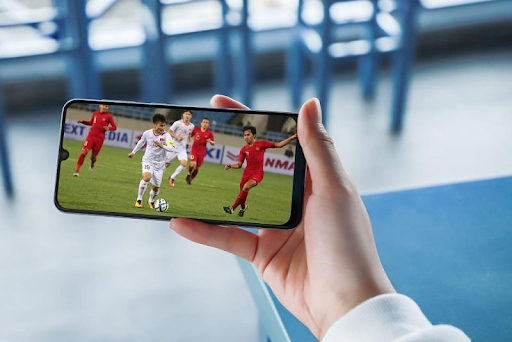
Giao diện của Xoilac TV có gây ảnh hưởng đến trải nghiệm của người dùng hay không?
Bóng đá trực tuyến XoilacTV hôm nay xây dựng giao diện không quá màu mè, đơn giản và khoa học. Các danh mục được sắp xếp gọn gàng, dễ dàng thao tác để tìm kiếm. Trang web này tập trung xây dựng giao diện phù hợp với mọi lứa tuổi từ trẻ đến già, cho nên bạn có thể hoàn toàn yên tâm sẽ không ảnh hưởng đến trải nghiệm của người dùng.
Các banner quảng cáo tại XoilacTV có gây ảnh hưởng đến quá trình xem bóng đá hôm nay hay không?
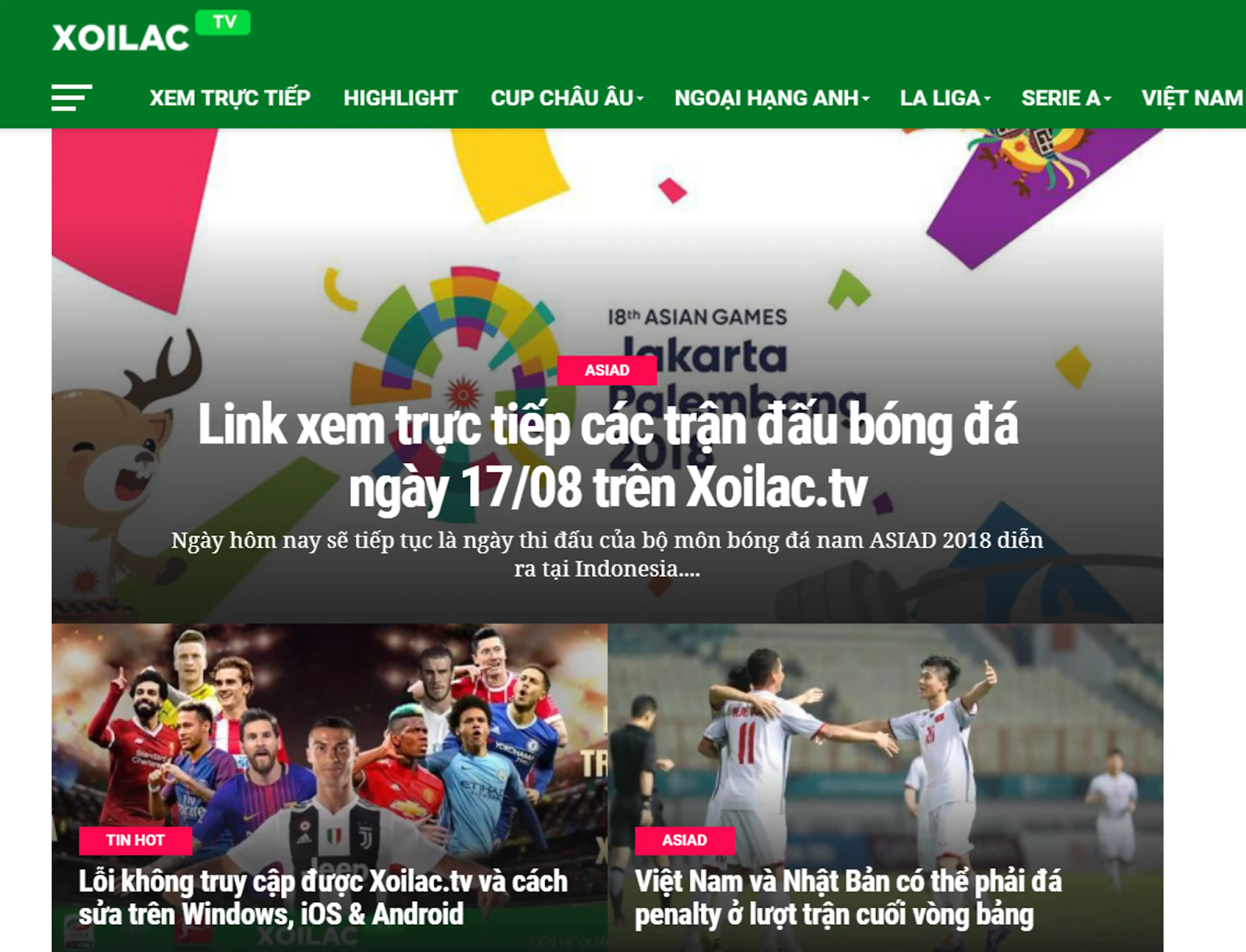
Để duy trì được hoạt động của trang web và nhằm mục đích phát triển trực tiếp các trận đấu bóng đá đến với người hâm mộ. Trang web truc tiep bong da XoilacTV liên kết với các trang nhận định uy tín để quảng cáo cho họ và treo banner trên giao diện của mình. Các banner này sẽ không gây ảnh hưởng tới quá trình xem bóng đá trực tuyến hôm nay của người hâm mộ. Bởi chúng sẽ không xuất hiện trong danh mục các trận đấu phát sóng trực. Chúng chỉ xuất hiện trên giao diện chính của trang web, tuy nhiên sẽ nằm gọn ở các góc màn hình và không làm ảnh hưởng đến trải nghiệm của người xem. Đặc biệt, bạn cũng có thể bỏ qua được các banner quảng cáo này nhanh chóng và dễ dàng.
Link xem bóng đá hôm nay trên Xoilac TV có bản quyền không?
Kênh Xoilac TV đảm bảo với người hâm mộ tất cả những đường link xem bóng đá trực tuyến tại trong web đều có bản quyền. Do đó, chỉ cần bạn truy cập vào trong web là thoải mái trải nghiệm và tận hưởng những phút giây giải trí hấp dẫn với các trận đấu bóng đá này.
Trên Xoilac TV bóng đá trực tuyến hôm nay có bình luận bằng tiếng Việt hay không?

Xoilac TV bóng đá trực tuyến sử dụng bình luận bằng tiếng Việt
Đều phục vụ nhu cầu xem bong da truc tuyen của nhiều các đối tượng người dùng khác nhau. Do đó, trang web này hỗ trợ bình luận bằng tiếng Việt để phục vụ những khán giả Việt Nam. Tuy nhiên, với một số các trận đấu lớn trên thế giới, đôi khi website xoilac cũng để nguyên bản giúp người hâm mộ tại nước ngoài cũng có thể theo dõi các trận đấu này.
Đội ngũ bình luận viên của kênh truc tiep bong da Xoilac TV được đào tạo và tuyển chọn kỹ lưỡng cả về kiến thức lẫn chuyên môn bình luận, vì thế bạn có thể hoàn toàn đảm bảo về vấn đề xem bóng đá bằng tiếng Việt tại trang web này.
Kênh trực tiếp bóng đá Xoilac TV có bị giới hạn về độ phủ sóng hay không?
Là một trang web nhận được sự yêu thích của rất nhiều người hâm mộ trên cả nước, Xôi Lạc TV trực tiếp bóng đá hôm nay cung cấp và phủ sóng đầy đủ đối với người dùng tại Việt Nam. Tuy nhiên, sẽ bị hạn chế tại một số khu vực và quốc gia khác, vì có thể bị giới hạn do yếu tố bản quyền hoặc hạn chế về địa lý.
Ngoài các giải đấu bóng đá lớn, XoilacTV có phát sóng giải bóng đá phủi hay không?
Trang web này phát sóng đa dạng và đầy đủ các giải đấu bóng đá lớn trên thế giới. Ngoài ra, cũng phát các giải bóng đá phủi như PYS, Socolive Cup,…
Có những BLV nào hot tại kênh trực tiếp bóng đá Xoilac TV hôm nay?
Kênh truc tiep bong da hom nay Xoilac TV có rất nhiều tên tuổi bình luận viên hot và nổi tiếng, là những người tạo nên sự thu hút và mới mẻ cho các trận đấu.
Dưới đây là một số bình luận viên hot tại truc tiep bong da Xoi Lac TV được người hâm mộ yêu mến như:
-
BLV Leo: Có phong thái bình luận riêng biệt, tạo điểm nhấn trong trận đấu. Đi sâu phân tích các tình huống chi tiết và đưa thêm nhiều các thông tin hữu ích về bóng đá đến với người hâm mộ.
-
BLV Singer: Là một bình luận viên vui tính, tạo nhiều tiếng cười cho người xem trong trận đấu.
-
BLV Tap: Gây ấn tượng bởi tư duy sắc bén và đưa ra nhiều kiến thức bóng đá hữu ích.
Nguồn tin tức của Xoilac TV có đáng tin cậy hay không?
Xôi Lạc TV trực tiếp bóng đá có thể đảm bảo các nguồn tin tức tại kênh đều chính xác và được biên soạn kỹ lưỡng trước khi đến với người xem. Do đó, bạn có thể yên tâm với các nguồn tin tức tại trang web xoilactv trực tiếp bóng đá.
Kết luận
Quy mô của kênh xem bóng đá trực tuyến XoilacTV hiện nay đã phổ biến đối với tất cả những người dùng đam mê xem bóng đá trực tuyến tại Việt Nam. Bên cạnh đó, lrinspire.com cũng tự hào là địa chỉ cung cấp tin tức bóng đá nhanh chóng và chính xác tới người hâm mộ. Đến với kênh trực tiếp bóng đá Xôi Lạc TV hôm nay, bạn sẽ được cảm nhận một thế giới bóng đá trực tuyến chất lượng và uy tín hàng đầu Việt Nam.